



Most of us know inflammation as the red, puffy swelling around a cut or a rolled ankle. That's inflammation doing exactly what it should. Your immune system rushes in, deals with the problem, cleans up and leaves.
But there's another kind of inflammation that doesn't throb, swell or turn red. In fact, plenty of us are getting around with it every day and don't even realise. It's called chronic low-grade inflammation, and researchers now see it as one of the common threads running through many of the most serious health conditions of our time.
Here are the signs to look out for, what's actually going on, why it matters, and what you can do about it day to day.
Signs it might be simmering
There's no single symptom that says "you have chronic inflammation." That's part of what makes it tricky. Some things people commonly notice include:
- Feeling tired all the time, even after a decent night's sleep
- Ongoing aches in joints or muscles
- Gut issues like bloating, constipation or irregular bowel movements
- Skin that keeps flaring up
- Brain fog or trouble concentrating
- Picking up every cold going around
- Carrying extra weight around the middle
Two very different kinds of inflammation
Acute inflammation is fast and short. It's your body's emergency response to an injury or infection. It ramps up quickly, does its job and settles down within days.
Chronic inflammation is slow and long-term, lasting months or even years. When it's low-grade, your immune system never fully switches off. It just keeps humming away in the background at a low level, often with no obvious signs.
Researchers explain that inflammation is meant to resolve once the threat is gone. When the trigger hangs around, or the body doesn't properly wind the response down, it can settle into this low-grade, ongoing state.

Why it matters for your long-term health
Because it's so quiet, low-grade inflammation is easy to ignore. But a growing body of research links it to the development and progression of many chronic conditions, including:
- Heart disease and hardening of the arteries (atherosclerosis)
- Type 2 diabetes, obesity and metabolic syndrome
- Fatty liver disease
- Chronic kidney disease
- Some cancers
- Neurodegenerative conditions affecting the brain
- Some mood and mental health conditions
- Chronic lung conditions such as COPD
In a widely cited 2019 review in Nature Medicine, the authors noted that chronic inflammatory diseases are at the root of more than half of all deaths worldwide.
It's worth being clear here. Inflammation isn't the single cause of these conditions. Genetics, lifestyle and environment all play a part. But scientists increasingly see low-grade inflammation as a shared mechanism that helps many of them take hold and progress. Some researchers have even called it "the final common pathway to disease."
What keeps the fire going
Researchers have identified a long list of things that can push the body into a state of chronic, low-grade inflammation. The big ones are:
- Sitting still too much. When your muscles contract, they release proteins that help keep inflammation in check. Less movement means less of that natural calming effect.
- What's on your plate. Diets high in refined grains, alcohol and ultra-processed foods can change your gut bacteria and affect how your immune system behaves.
- An unbalanced gut microbiome. Studies keep finding links between gut bacteria imbalances and inflammation.
- Poor sleep and ongoing stress. Disrupted sleep, psychological stress and even too much artificial light at night all play a role.
- Environmental toxins. Some chemicals and pollutants we're exposed to every day can affect the body's inflammatory signals.
- Getting older. Inflammation tends to creep up with age, so much so that researchers have a name for it: "inflammaging."
The encouraging part? Researchers behind the Nature Medicine review suggested that environment and lifestyle may matter more than the genes you inherited. That means a lot of this is within your control.

The gut connection
This is where things get really interesting, and it's why we talk about gut health so much.
Your intestine is the largest surface where your body meets the outside world. Its lining acts as a barrier, letting nutrients through while keeping bacteria and other unwanted things where they belong.
When that barrier isn't working as well as it should, sometimes called "leaky gut" or increased intestinal permeability, fragments of gut bacteria and their by-products can slip into the bloodstream. One of these is a molecule called lipopolysaccharide (LPS). Once it's circulating, your immune system reacts, and that can feed systemic, low-grade inflammation.
Researchers have linked weakened gut barrier function to factors like a high-fat diet, alcohol, infections, oxidative stress and an imbalanced microbiome. Your gut bacteria also play a big part in keeping that barrier strong in the first place.
To be honest about where the science is at: this is a fast-moving area of research, and there aren't yet formal medical guidelines for treating "leaky gut." Not every inflammatory condition has been tied to gut permeability either. But the link between a healthy gut, a strong gut barrier and a calmer immune system is one researchers are taking very seriously.

Everyday ways to turn down the heat
You don't need a complete life overhaul. Small, consistent changes add up.
- Look after your gut. Give your gut the basics every day. Fibre feeds your good bacteria, and our Daily Fibre is an easy way to top up if you're not getting enough from food. Fermented foods and probiotics help support a healthy balance of gut bacteria, and our Gut Food brings both together in one daily scoop. Stay hydrated. If plain water gets boring, Happy Hydrate is pure coconut water powder you can mix in for a refreshing change.
- Go every day. Aim for at least one bowel movement each day. Staying regular is one of the main ways your body clears out waste, so if things are backing up, it's worth paying attention. If you're struggling to stay on top of it, there are natural ways to help, like ConstaClear, a water enema or a coffee enema.
- Support your liver. Your liver is one of your body's main detox organs, working around the clock to filter and process waste. Coffee enemas have long been used as part of traditional detox routines, and many people in our community use them to support their liver's natural detox process. New to coffee enemas? Our Beginners Bundle has everything you need to get started.
- Bring in some herbs. Some herbs have a long history of traditional use for soothing inflammation, including hibiscus and calendula. Our Happy Body tea brings herbs like these together in one blend. Sip it as a delicious tea, or brew it, let it cool and use it as a herbal enema for a gentle herbal infusion.
- Eat more plants. Vegetables, fruit, legumes, wholegrains, nuts and seeds feed your gut bacteria with the fibre they love. Variety matters, so mix it up through the week.
- Cut back on the ultra-processed stuff. You don't have to be perfect. Just lean towards whole foods more often than packaged ones.
- Go easy on alcohol. It's one of the factors linked to both gut barrier issues and inflammation.
- Move every day. Walking counts. So does gardening, dancing in the kitchen or chasing the kids around the backyard. Movement is one of the best ways to tap into your body's own anti-inflammatory signals.
- Protect your sleep. Aim for a regular bedtime and dim the screens in the evening.
- Manage stress where you can. Time outdoors, breathing exercises, a chat with a friend. Find what genuinely helps you unwind.
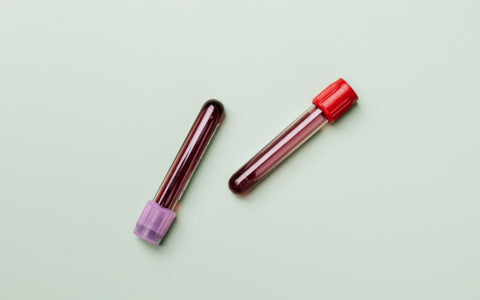
- Get checked. If you're worried or have ongoing symptoms, see your GP. Bloods like hs-CRP can give you a useful starting point.

Where to start with your gut
At Happy Bum Co, we believe a healthy gut is the foundation for feeling your best. If you're ready to start paying more attention to yours, building a simple daily gut health plan is a great first step.
The bottom line
Low-grade chronic inflammation is quiet, but it isn't harmless. It's linked to many of the conditions that affect Australians most, and it often builds for years before anything shows up.
The good news is that many of the biggest drivers are things you can influence: what you eat, how you move, how you sleep, how you handle stress and how well you look after your gut. Start small, stay consistent and check in with your health practitioner if something doesn't feel right.



Comments (0)
There are no comments for this article. Be the first one to leave a message!